


Okay, so check this out—I’ve been fiddling with wallets for years. Seriously, it felt like every week there was a new extension promising the moon: faster swaps, shinier UI, “better security.” My instinct said “meh” most of the time. But then I installed rabby and something clicked. Whoa! The little features I ignored before suddenly mattered. My gut told me to pay attention.
Here’s the thing. When you use DeFi daily, you notice tiny frictions that compound into real risk. One missed approval, one accidental chain send, and you’re scrambling. At first I thought a prettier interface would be the win. Actually, wait—let me rephrase that: UX helps, but what saved me was transaction simulation and clearer approval flows. On one hand it’s about convenience; on the other hand it’s about reducing catastrophic mistakes.
I’m biased, sure. I’m the sort of person who triple-checks gas settings and keeps multiple hardware wallets. But rabby made me less twitchy. It shows a simulation before you sign. That sounds basic, but it’s a game-changer — especially when you’re interacting with complex contracts or new liquidity pools. Something felt off about how many wallets gloss over what a tx actually does. Rabby doesn’t. It lays it out.
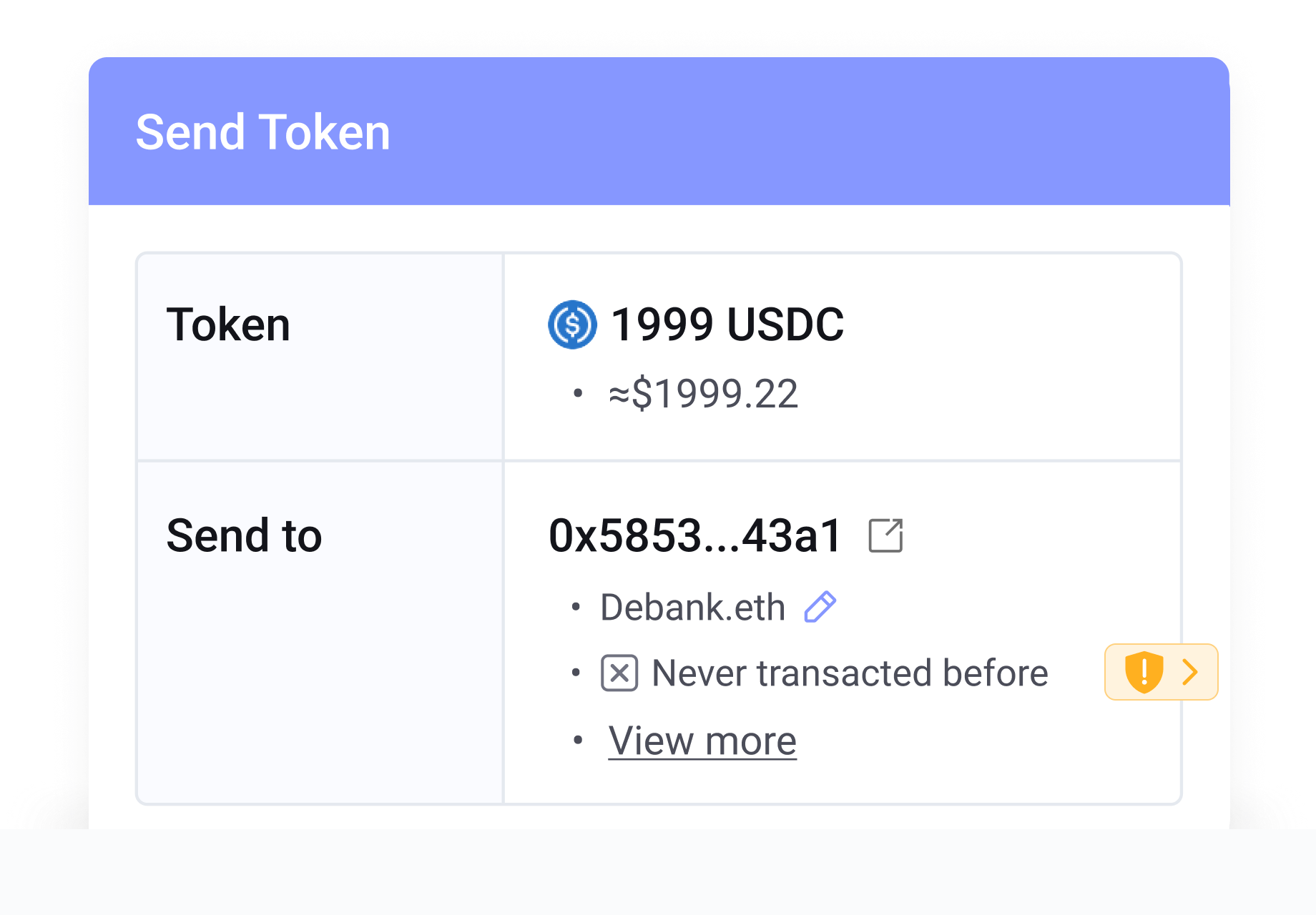
Why simulation matters (and why most wallets get it wrong)
Quick reaction: simulation prevents dumb mistakes. Long explanation: many wallets only present you with the “send” button and a total. They don’t parse out token approvals, slippage implications, or contract calls. Rabby inserts a checkpoint. You can see contract-level actions described plainly, and that matters when you’re bridging, farming, or approving a new protocol.
Initially I thought the simulation was just a nice-to-have, but then I watched it save a colleague from approving an unlimited allowance to a shady contract (oh, and by the way… that person is still a little red-faced). On the surface, the simulation is a transparency feature; under the hood, it’s risk reduction. On a deeper level it’s behavioral — it forces you to slow down before signing. And in crypto, slowing down is underrated.
Also: the way rabby shows you each step is human-friendly. Not perfect, but far better than the cryptic logs other wallets dump on you. You don’t need to be an on-chain forensic analyst to make sense of it. And that lowers cognitive load, which for power users is everything.
Multi-chain without the chaos
Switching networks shouldn’t feel like swapping an identity. Yet most times it does. Rabby handles multiple chains elegantly — account management, clear chain labels, and subtle warnings when you’re about to send tokens across incompatible networks. My first impression: “Finally.” My follow-up thought was more analytical: how are they keeping that UX consistent while respecting chain-specific nuances?
On one hand, multi-chain support often becomes a fragmented patchwork with confusing icons and hidden fees. On the other hand, rabby stitches things together with consistent affordances. There are still edge cases, of course — bridges can be messy — but rabby gives you visibility where other wallets leave you blind.
Hmm… one weird quirk: sometimes the network suggestions are a hair slow to update when a chain RPC flaps. Not a dealbreaker, but worth mentioning. Little imperfections like that keep things human, and remind you to keep a hardware fallback around.
Approval manager — small feature, huge impact
I’ll be honest: I didn’t think approval managers were sexy. They were practical. Rabby’s approval UI walks that line: it’s practical, direct, and makes revoking allowances painless. I used to use separate tools or batch scripts to tidy up approvals. Now it’s part of the everyday flow. This reduces my attack surface without requiring extra steps.
There’s an intuition here: fewer third-party tools means fewer trust edges. Rabby giving you first-class allowance controls keeps you in one trusted environment. That matters when you’re juggling multiple protocols and want to keep your mental model intact.
On a related note, the notify-and-revoke UX nudges you toward safer habits. I’m not saying it’s perfect — sometimes auto-detection misses an allowance — but as a habit-forming tool it’s excellent. My friends noticed, and they started cleaning up old approvals too. Peer pressure, but in a good way.
Performance and developer-friendly touches
Power users often need speed without sacrificing safety. Rabby strikes a balance: fast sign flows, clear gas presets, and, notably, developer-minded details like readable contract call breakdowns. If you build or audit contracts, those breakdowns save time. If you just interact as a whale or a frequent trader, they reduce guesswork.
At first I used it for casual trades. Then I started using it to test new protocols. Eventually I integrated it into a dev rig because the readability cut debugging time. On one hand it’s a consumer extension; on the other hand it’s thoughtful enough for technical workflows. That duality is rare.
Something bugs me though: sometimes the extension feels centered on desktop workflows and could do more for mobile bridging of session-based approvals. I’m not 100% sure how they’d address that without compromising security, but it’s an area they’ll probably iterate on.
Security posture — practical, not theoretical
Security models in wallets often read like academic papers. Rabby’s approach is pragmatic: give users more clear, actionable controls. Hardware wallet integrations are solid. Recovery flows are standard — not glamorous, but robust. For someone in the US juggling taxes, chains, and audits, that reliability matters.
My instinct says no tool is a silver bullet. On the other hand, tools that force clearer decision-making reduce human error. Rabby emphasizes that philosophy. For example, transaction simulation and explicit approval handling are less sexy than zero-knowledge proofs but more effective at stopping the common fail-states users encounter.
Also, the team seems engaged with the community, which is comforting. Real-world responsiveness beats grandiose security claims any day. Still, like any extension, treat it as part of a layered defense: hardware wallets, air-gapped seed cold storage, and measured operational practices.
Real-world workflow example
Here’s a quick run-through of my session last week: connect to Polygon, approve a new bridge, simulate the bridge transfer, catch a hidden token approval request, revoke a stale allowance, then sign the bridge tx. Sounds routine, right? Except in many wallets that hidden approval would have gone unnoticed. With rabby I paused, reviewed, and avoided a potential approval leak.
Initially I thought the pause was taking extra time. But then I realized saved minutes are cheaper than lost funds. Trade-offs matter: a slight slowdown for a large reduction in risk is a trade I’ll happily accept. This workflow has become my default — and it’s helped friends avoid rookie errors too.
FAQ
Is rabby safe to use with large balances?
Short answer: it’s as safe as the practices you pair with it. Use hardware wallets for large holdings and employ rabby as a secure, transparent UX layer. The simulation and approval manager reduce accidental exposures, but don’t replace cold storage. Seriously, keep big bags offline when you can.
How do I get rabby?
Grab the browser extension from the official source — rabby — and pair it with your usual workflow. Follow best practices: verify the extension origin, enable hardware device signing, and test with small transfers before moving larger sums.
Will rabby work with the chains I use?
It supports most major EVM-compatible chains and adds new networks over time. If you rely on a niche chain, double-check RPC support and community feedback. My experience: it covers the mainstream ones that matter most to traders and builders.
So what’s my final feeling? Excited, cautiously optimistic. Rabby isn’t perfect — there are little rough edges that keep it human — but it’s one of the few wallets that genuinely prioritizes reducing user error with sensible UX and transparency. If you’re a DeFi power user who values simulation, clear approvals, and practical multi-chain management, give it a try. It changed my routine. Maybe it’ll change yours too.
